

A casino anniversary bonus sits in a strange spot on the promotions calendar. It is not a welcome offer chasing a fresh signup, and it is not a one-off free spin dropping into your inbox. It is a loyalty reward, usually timed to the month you joined, and the way it is structured tells you more about an operator than almost any other page on the site. From my background in retention marketing, anniversary promos are where I look first when judging whether a brand actually values long-term players or simply buys the first deposit.
What Exactly Is a Casino Anniversary Bonus?
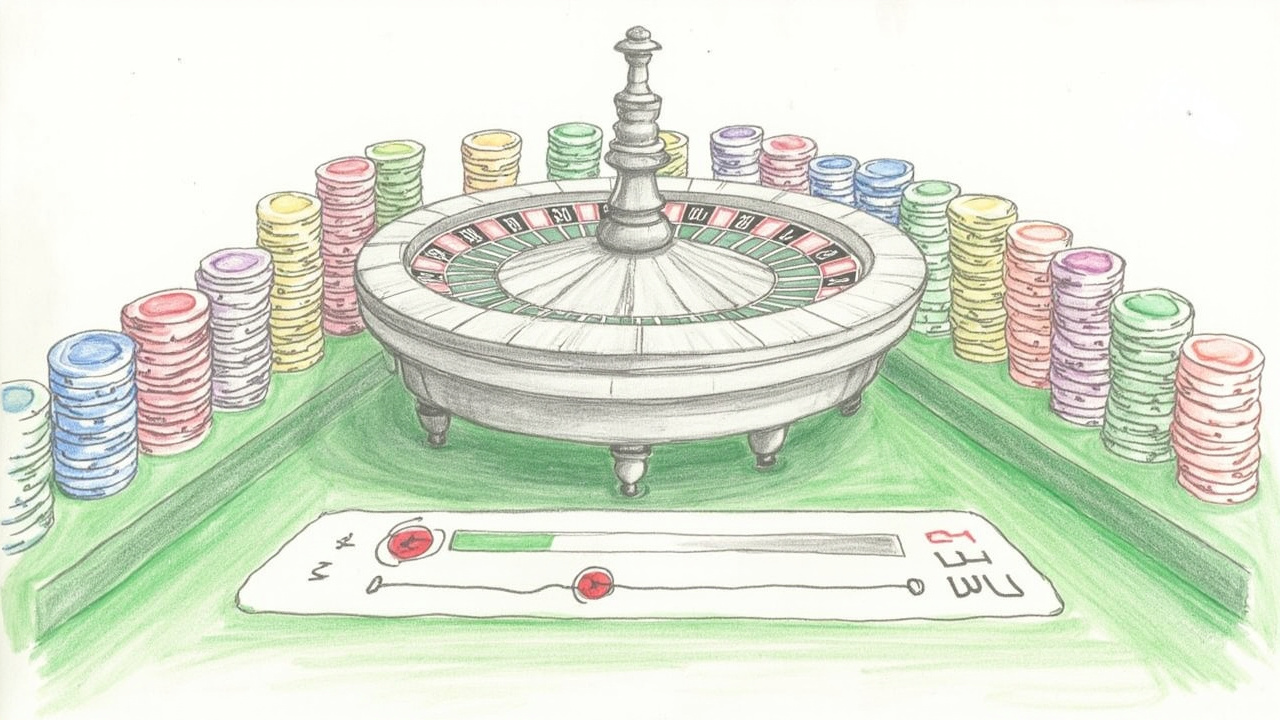
An anniversary bonus is a recurring reward, typically credited once per year, that recognises the anniversary of your account opening. Most Australian-facing brands structure it as a matched deposit, a small bundle of free spins, or a reload-style offer released via email or the loyalty dashboard. The headline figure looks generous, but the real value sits in the small print: wagering requirements, eligible games, expiry windows, and whether the bonus is opt-in or credited automatically.
The mechanics matter because an anniversary offer is the first promotion a casino extends without needing to acquire you. That changes the incentive. A welcome bonus is spent on advertising; an anniversary bonus is paid out of margin. Brands that treat long-term players well tend to keep rollover in the 30x-40x range, allow the bonus on pokies and live dealer tables at full weighting, and send the offer at least seven days before the anniversary date so you have time to plan a deposit. Brands that treat you like a walking deposit slip tend to bury the offer behind a support ticket, slap a five-day expiry on it, or restrict it to a single high-volatility pokie with capped winnings. The difference shows up in your inbox, and it shows up in your bankroll.
If you want a sense of how welcome structures vary across regulated markets, the breakdown of a Dutch welcome bonus is a useful reference point, even though the regulatory backdrop in the Netherlands is very different from anything available to Aussie players offshore.
How to Read the Offer Before You Opt In
This is where most players lose value without realising it. The bonus number is the marketing; the terms are the actual product. Before you accept any anniversary reward, walk through these three layers.
Wagering, Weighting and Game Contribution
Wagering is the multiplier applied to the bonus before winnings convert to withdrawable cash. A $100 bonus at 40x means $4,000 in qualifying bets. Game contribution is the percentage of each bet that counts toward that target, and it varies wildly. Pokies typically contribute 100%, which is what you want. Live dealer games often contribute 10%-20%, meaning a $10 blackjack hand knocks just $1-$2 off the rollover. Table games with low house edge are usually excluded entirely. If you are a pokies player, this is fine. If you prefer live tables, the maths collapses quickly, and you are grinding through requirements at a tenth of the pace.
Expiry Windows and Minimum Deposits
An anniversary bonus with a three-day expiry on a 40x rollover is a trap. You either rush the playthrough and burn through your bankroll, or the bonus expires with most of the rollover unmet and your winnings voided. Look for at least 14 days, ideally 30. Minimum deposits also vary, and the difference between a $20 and $50 minimum can shift whether the offer is worth claiming at all. If you only bank $20 a fortnight, a $50-minimum anniversary bonus is not really an anniversary bonus; it is a nudge to deposit more than you planned.
Real Value vs Marketing Number
A 200% match sounds bigger than a 100% match, but if the 200% carries a 60x rollover and a $50 max cashout while the 100% carries 30x with no cap, the smaller headline wins on actual returns. Do the rough maths: bonus amount × contribution rate × your average RTP. If the expected value is negative by more than a few percent, the offer is structurally bad, not just small. The marketing number is the photo; the expected value is the person in it.
Is This Bonus Right for How You Actually Play?
Fit matters more than size. A casual player who logs in twice a month and spins a few reels will benefit from a modest anniversary bonus with low wagering, because they can clear it slowly without pressure. A higher-volume player who treats the casino like a hobby will get more from a larger bonus with longer expiry, even at a higher rollover, because their turnover clears the target naturally. If you are a live dealer purist, most anniversary bonuses are structurally bad for you, and that is worth acknowledging rather than chasing every offer that lands in your inbox.
There is a genuine debate here. Some operators argue that strict wagering and short expiry windows protect the business from bonus abuse and keep the platform sustainable for recreational players. Industry analysts counter that the same restrictions quietly punish loyal customers who would otherwise deposit without a bonus, and that retention would improve if anniversary offers were treated as goodwill rather than margin protection. Neither side is entirely wrong, but as someone who has built retention programmes around exactly this tension, I reckon the operators that loosen the terms see better lifetime value, even if the per-bonus cost looks higher on a spreadsheet.
If you are weighing a specific Australian-facing brand, Jackpot Jill runs a recognisable anniversary structure with matched reloads tied to account tenure, and it is the kind of place where the offer quality tells you something about the loyalty programme behind it. Always read the terms page before you deposit, and treat any anniversary bonus as a useful top-up rather than the reason you signed up in the first place.
The smart move is the same one my retention teams used: ignore the headline, read the mechanics, and only opt in when the maths actually favours your style of play. Aussie players who do that consistently end up keeping more of what they win, and they spend a lot less time chasing bonuses that were never built for them in the first place.