

Poker Strategy For Beginners: Table Control In Brisbane
The poker strategy for beginners starts with discipline, not luck. On a busy floor in Brisbane, I have watched new players lose their stack before the first break because they chased hands they should have folded. Good play is about patience, position, and knowing when to walk away. If you are looking for a space to practice that mindset, the skycrown casino app for android offers a simple mobile entry point, though real skill is built at the felt, not on a screen. Maîtriser le bluff au poker quand
Reading The Room Before The Cards
When I sit behind a blackjack table, I watch the players before the cards hit the felt. I look for tells, sure, but mostly I watch for tilt. A player who just lost a big bet often plays too fast on the next hand. The same thing happens at poker. You need to notice when the room gets loud or when a regular starts pressing buttons too hard. That is the moment to slow down.
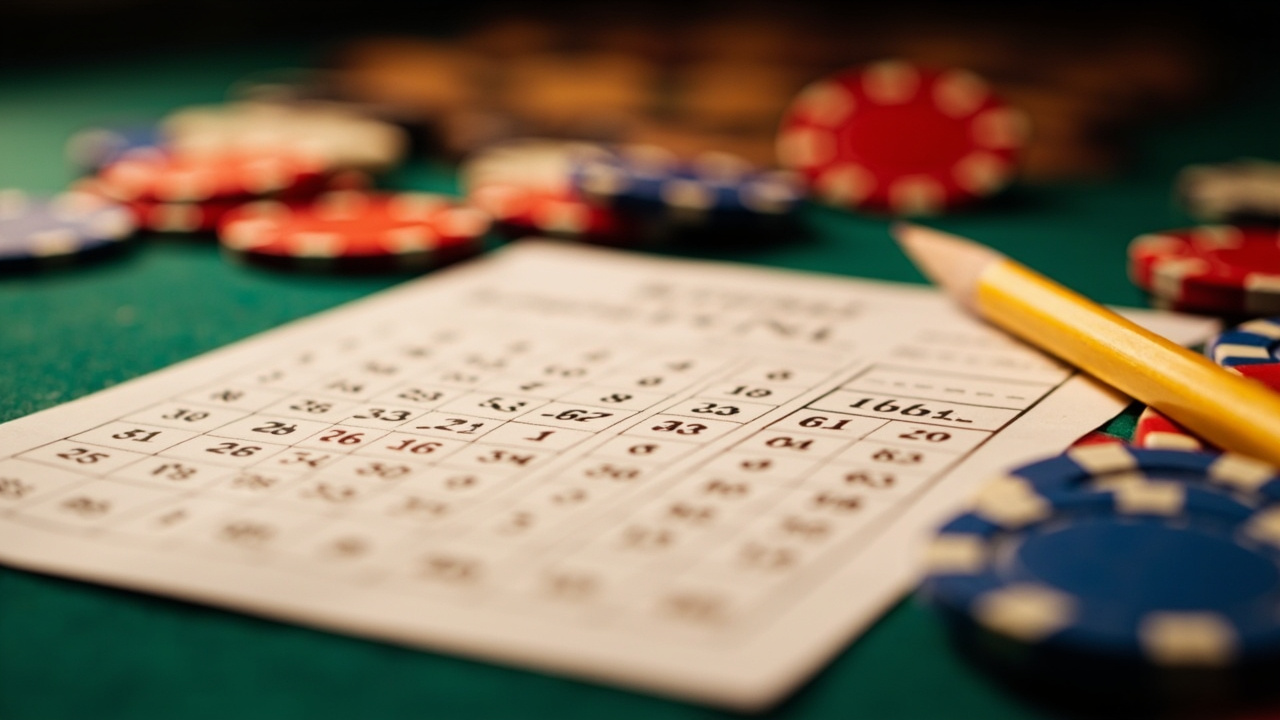
For a beginner, the first lesson is not about bluffing. It is about observing the flow of the game. In a live room, you can see who is playing tight and who is loose. In a digital space, you have to read betting patterns and timing. You can still spot a nervous player by how quickly they click or how often they check the chat. The key is to treat every session like a shift on the floor. You are not there to win every hand. You are there to make better decisions than the other players over a long stretch.
I once had a rookie dealer who thought the game was about the cards. I told her to watch the players instead. She started noticing who was drinking too much, who was getting restless, and who was folding too early. That same eye works for a poker player. You learn to spot when a table is too risky for your bankroll. You learn to leave before the mood turns. That kind of table control is what separates a careful player from someone who blows a deposit in an arvo.
| Session Tip | What To Watch |
|---|---|
| First ten minutes | Table pace, player temper, bet sizes |
| Mid-session check | Your own mood, drink intake, time on seat |
| Exit trigger | Two bad beats in a row with no cool-down |
Position, Patience, And A Straight Answer
A journalist once asked me how a beginner should approach a new table without getting tangled in jargon. I told her to think about where you sit, not just what you hold. Position is the quiet advantage that good players use every day. When you act last, you get to see what the others do first. That extra information is worth more than a fancy hand. skycrown casino app for android
In my years running baccarat and roulette shifts, I saw players make the same mistake over and over. They played every hand because they wanted action. Poker rewards the opposite habit. You fold more than you play, and you wait for spots where your position gives you an edge. That patience is hard when the table is busy and the pots look juicy. It is even harder when you are new and want to feel involved.
The conversation kept going as she asked about bankroll limits. I gave her a straight answer: set a limit before you sit down and treat it like a shift budget. If you bring $100 to a table, that is your cost for the session, not a target to double. You can still play well and lose. You can also play poorly and win. The goal is to keep the swings inside a range you can afford. That is the same discipline I ask of dealers who handle cash all night. They do not chase a missing chip. They follow the process.
If you want a practical breakdown of when a bluff makes sense and when it just burns money, this guide on how to bluff in poker for beginners walks through the early mistakes most new players make. The point is not to bluff for the sake of it. The point is to know exactly why you are representing a hand and whether the situation actually supports it.
Tools That Keep A Session In Check
A good poker strategy for beginners has to include the tools that keep a session in check. On a real floor, we use count sheets, shift logs, and clear limits on how long a player can sit at one table. Online, you need the same kind of structure. Look for a platform that gives you clear account controls, deposit limits, and easy access to session history. Those features are not there to spoil the fun. They are there to keep a bad run from turning into a bigger problem.
I have spent years training staff on responsible play, and the pattern is always the same. Players who set limits before they start tend to stay in control. Players who wait until they are frustrated usually have already crossed a line. That is why I want to see a site that makes limit changes simple and visible, not buried behind three menus. Support should be reachable without a maze of tickets. If you have a question about a pending withdrawal or a verification step, you want a clear path, not a generic auto-reply.
Privacy matters too. You should know what data is being collected and how it is stored. A platform that is upfront about security and privacy tends to treat players with more respect overall. That kind of setup does not guarantee a win, and it does not remove the risk of losing. It just gives you a cleaner environment where the rules are obvious and the controls are actually usable.
- Set a deposit limit before you register
- Use session timers or break reminders if they are available
- Keep support contact details easy to find
- Check that your account details are protected with strong login settings
Practice, Not Promises, On The Felt
I have seen enough new players to know that the biggest mistake is treating poker like a shortcut. There is no guaranteed path to a winning session. There is only practice, review, and a willingness to fold when the situation calls for it. A beginner who treats every hand as a lesson learns faster than one who tries to force a result.
That mindset is why I prefer players to start with low-pressure games and simple formats. You learn more from a quiet session where you can think than from a crowded table where you are reacting to every shout and bet. If you want to test that approach on a mobile setup, the skycrown casino app for android is one option that keeps the entry point simple, though the real work still happens in your head, not on the device.
The best poker strategy for beginners is the one that respects the game. You watch the table, you play your position, you set your limits, and you leave when the session stops feeling clear. That is the same standard I used to apply on the floor when I was deciding whether a player was having a night or heading for trouble. The cards will always have an element of chance. Your habits do not have to.